Every Single Habit, Every Single Day
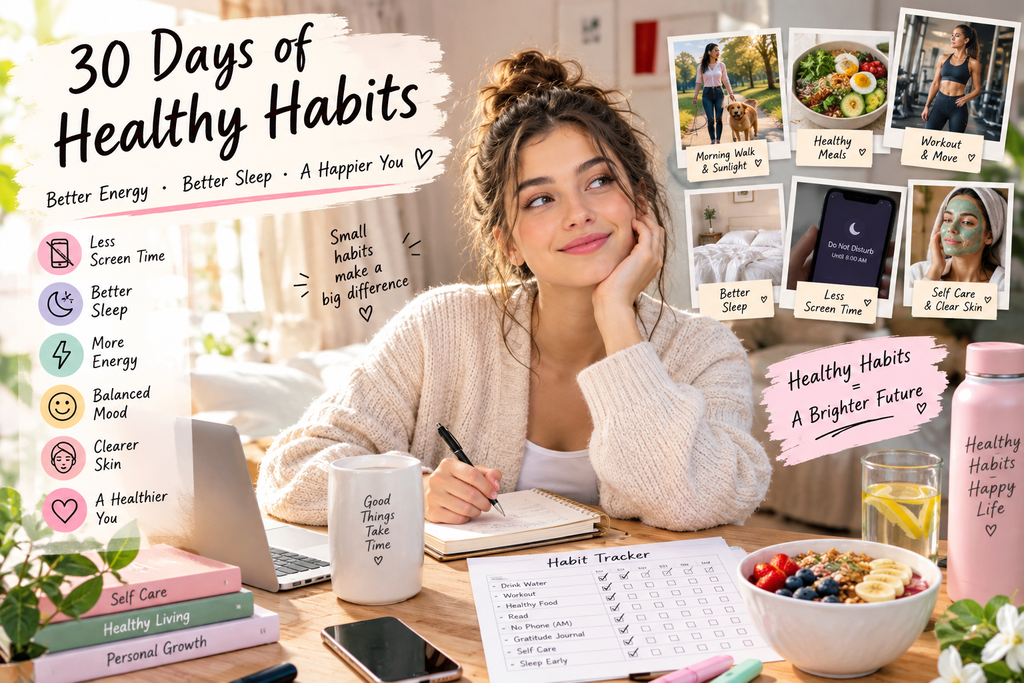
I followed every single habit every day without skipping, and I tracked everything with an analog paper habit tracker. I love the feeling of checking off each box by hand, and using a paper tracker also kept me away from my screen. None of these habits were new to me.
What Actually Happens in 30 Days Straight
I had practiced bits and pieces of these habits for almost three or four years, but I always followed them on and off. I never stuck to all of them together for several consecutive weeks. So a few weeks ago, I asked myself: What would happen if I followed every single habit every day for 30 straight days?
My Screen Time Significantly Reduced
One day, I cleaned the house, walked the dog three separate times, filmed an entire YouTube video, attended multiple client meetings, went to the gym, checked every box on my tracker, and still didn’t feel exhausted. I’ll come back to that day later because it genuinely surprised me.
I also noticed that my screen time dropped significantly without me even trying to reduce it.
A Full Month Without Period Cramps
I went from lying awake until midnight, 1 a.m., or even 2 a.m. to falling asleep within minutes. I also experienced something I never expected: I went an entire month without period cramps.
So let me walk you through my exact routine. First, I’ll explain why each habit matters, and then I’ll share everything that changed.
No Phone for the First 2ish Hours After Waking
My first morning rule, and probably the habit that made the biggest difference, was avoiding my phone for the first two hours after waking up.
I always keep my phone on airplane mode at night, but this time I also scheduled downtime until 8:00 a.m. Even when I connected to the internet to play my morning affirmations, I received zero notifications. The downtime feature blocked everything and even changed my lock screen.
Wake Up Gently Instead of Going Straight Into Fight or Flight
The idea behind this habit is simple. When you pick up your phone first thing in the morning, you immediately expose your brain to notifications, information, dopamine, and potential stress before you even leave your bed.
Skipping my phone gave my nervous system time to wake up gently instead of immediately switching into a stressed state. This habit also helped lower my screen time by the end of the month without me intentionally trying to reduce it.
I’ll explain exactly how later.
A 5-Minute Journal
Instead of reaching for my phone, I started my morning with a five-minute journal. I wrote a quick gratitude entry and set an intention for the day.
Journaling helped me lower stress and focus on what I wanted from the day.
Then I played a five-to-ten-minute affirmation recording and said the affirmations out loud. Whether or not you believe in affirmations, speaking intentionally to yourself first thing in the morning can help you set your mindset before the rest of the world influences your thoughts.
Lymph Flow and Gua Sha
Next, I focused on getting my body moving. While my affirmations played, I opened the window to air out the room and started my morning movement.
I encouraged lymph flow by gently jumping and moving my arms. I also used gua sha on my face.
The lymphatic system helps move fluid and waste through the body. Because it doesn’t have the same kind of pump that the cardiovascular system has, movement can help support lymphatic circulation. The gentle movement and gua sha also helped reduce my morning puffiness.
Oil Pulling and Making the Bed
After that, I cleaned my retainer, completed my skincare routine, applied deodorant, made my bed, and got dressed.
Once my affirmations finished, I started oil pulling while I continued with the rest of my routine.
Making the bed might seem like a tiny task, but completing it immediately gave me a sense of momentum. A tidy space also helped reduce mental clutter.
A Big Glass of Water With My Probiotics
Then I fed our dog and drank a large glass of water with my probiotics and morning supplements.
After sleeping for several hours, I wanted to rehydrate as soon as I woke up. I also took my probiotics as part of my morning routine.
Protein and Fiber First
Then I ate breakfast. Throughout the entire 30 days, I followed one main eating rule at every meal: I prioritized protein and fiber first, followed by healthy fats, and I aimed for at least 25 grams of protein before eating anything sweet.
I followed this approach because I wanted to support steadier energy and reduce cravings throughout the day.
30 to 60 Minutes of Morning Sunlight and Movement
After breakfast, I brushed my teeth and took the dog for a walk. I made sure to get 30 to 60 minutes of morning sunlight and movement.
This became one of my non-negotiable habits and one of the most underrated parts of my routine.
Morning light helps regulate the body’s circadian rhythm, which influences sleep, energy, and mood.
Pressing Start on Your Body Clock
I think of morning sunlight as pressing start on my body clock. It also supports the natural timing of melatonin later in the day.
I believe this habit contributed to one of my biggest changes: I went from lying awake for hours to falling asleep within minutes.
I’ll explain more about that when I get to the results.
Tidied or Cleaned One Thing for 10 to 15 Minutes
When I returned home, I spent another 10 to 15 minutes tidying or cleaning one thing.
Again, I focused on creating a small win. A cleaner space helped me feel more organized and mentally clear.
Only after completing all of these morning habits, almost two hours into my day, did I finally touch my phone for something other than my affirmations.
On weekdays, I usually reached around 8:00 or 9:00 a.m. before starting my main workday.
90 Minutes of Really Deep Focused Work
I structured my work around deep-work blocks. I usually worked for 90 minutes at a time, often on my walking pad. I walked slowly while working and sat down whenever I needed to.
These focused blocks helped me concentrate on my work without constantly switching between tasks.
Using the walking pad also helped me increase my daily step count and keep my body moving without turning every movement session into a formal workout.
Shrink My Work Hours
This structure helped me reduce my overall work hours in a way I didn’t expect.
I’ll share the exact numbers later, because this change gave me much more free time to do things outside of work.
One Nervous System Regulation Tool
Between each deep-work block, I practiced one nervous-system regulation activity.
Sometimes I stretched. Other times I shook out my body, practiced diaphragmatic breathing, or put on music and danced.
Slow belly breathing helped me relax, while movement gave me a chance to release built-up tension. Instead of pushing myself continuously until I felt overwhelmed, I gave myself a reset every 90 minutes.
Hanging On to These Little Resets
I really want to keep these little resets in my routine.
They became a major part of my day, and I believe they helped eliminate my usual 3 p.m. energy crash. I’ll explain exactly why when I get to the results.
Lunch Outside in the Sunshine
For lunch, I always ate outside in the sunshine.
I avoided my phone, took my lunch supplements, and focused on tasting my food instead of eating while distracted.
After lunch, I took another regulation break, completed a little more work, and finished my workday.
On weekends, I dropped the structured work schedule but continued the rest of my habits.
Movement and Hydration
Two habits stayed consistent throughout the day: movement and hydration.
Between my morning walk, walking pad, and evening dog walk, I reached 10,000 steps without even trying.
I also played tennis three to four times a week. Tennis either helped me exceed 10,000 steps or helped me reach that goal.
Never More Than Two Rest Days in a Row
For tennis and my regular workouts, I followed one simple rule: I never took more than two rest days in a row.
I trained every few days and sometimes exercised more often when I felt like it.
For hydration, I drank at least three 42-ounce bottles of filtered water. I aimed to finish one before 11:00 a.m., another before 2:30 p.m., and the last one before 4:00 p.m.
My Hard Cutoff Was 8:00 pm
That added up to more than three liters of water, which I felt I needed because I played tennis and dealt with hot weather.
However, I stopped drinking water at 8:00 p.m. Otherwise, I would wake up during the night to use the bathroom and disrupt my sleep.
I followed a similar rule with food. I avoided eating dinner after 6:00 or 7:00 p.m. so I wouldn’t go to bed while digesting a heavy meal.
Switching It Off Instead of Waking Up My System
After work, I usually went to the gym in the evening. Then I ate dinner and relaxed before starting my wind-down routine.
My evening routine basically worked like the reverse of my morning routine. Instead of waking up my system, I prepared it for sleep.
I put my phone and other screens away between 8:00 and 9:00 p.m. Then I dry-brushed, showered, brushed my teeth, and worked on my posture by lying on yoga blocks to decompress my spine.
Legs Up the Wall
When I got into bed, I slowed everything down.
I drew one small picture every day to give myself a creative, screen-free activity. I also wrote in my nighttime journal and read a few pages.
Then I used a cork mouth stretcher because it seemed to help relax my jaw when I experienced tension from grinding my teeth.
In Bed Before 11:00, Usually Closer to 10:00
I put my legs up the wall for five to ten minutes while I read.
That entire slow routine, especially the legs-up-the-wall exercise, helped me transition into a calmer state. By the time I turned off the lights, my body already felt relaxed.
I got into bed before 11:00 p.m., usually closer to 10:00 p.m. Going to bed around the same time each night became one of the most important parts of my routine because it helped me feel more rested.
That was my complete routine and every habit I followed for 30 days.
Now let’s talk about what actually changed, because this part shocked me.
I Still Wasn’t Exhausted
Energy became the first major change I noticed.
I’ll never forget one particular day. I cleaned, took the dog on three separate walks including one long walk, filmed an entire YouTube video, attended multiple client meetings, went to the gym, completed every habit on my tracker, read, did something creative, reached 10,000 steps without using my walking pad, and still watched half a movie.
I did all of that in one day, and I wasn’t exhausted.
No Afternoon Slump, No Energy Crash
Of course, I felt tired, but I experienced the good kind of tired—the accomplished kind—not the drained and empty kind.
I also stopped experiencing my usual afternoon slump. That 3 p.m. energy crash disappeared completely.
The nervous-system resets between my work blocks played a big role in this change. Instead of pushing myself until I felt completely drained, I gave myself regular opportunities to recharge.
More Time for the Gym, More Walks, More Life
My workouts and overall free time changed dramatically.
Because I completed more work during my focused blocks, my total work time decreased significantly.
I still completed the same amount of work, but I gained more time for the gym, longer walks, and other parts of my life.
I also stopped going to bed every night feeling like I still had unfinished work.
Falling Asleep Within Minutes
That wired feeling disappeared too.
I no longer experienced the racing feeling that kept me awake at night. Instead, I felt genuinely tired when bedtime arrived.
I didn’t feel mentally exhausted or overwhelmed. I felt calm and ready to sleep.
I fell asleep within minutes, slept through the night, and woke up feeling rested.
Ready for Bed at 9:30 and Waking Up Earlier
Before I started this routine, I often didn’t feel tired until 11 p.m., midnight, or sometimes even 2 a.m.
I still felt wired and believed I needed to keep working so I could catch up.
After 30 days, I felt ready for bed around 9:30 p.m. and started waking up earlier.
The combination of nervous-system resets and morning sunlight made a noticeable difference in my sleep routine.
My Screen Time Went Down Significantly
My screen time also dropped significantly, even though reducing screen time wasn’t one of my original goals.
The change made sense once I looked at my routine. I used to spend a large part of my screen time scrolling in the morning and before bed.
Once I removed those two scrolling periods, I stopped craving my phone as much.
That’s Not You Being Lazy, Broken, or Undisciplined
When you avoid immediately stimulating your brain with your phone in the morning, you may find it easier to control your screen habits throughout the rest of the day.
I also want to say something important because many people experience this pattern.
If you constantly feel wired, struggle to switch off, crash every afternoon, and reach for your phone to cope, don’t automatically label yourself lazy, broken, or undisciplined.
Instead, look at how your daily habits affect your stress, stimulation, rest, and energy.
I Felt Like Mine Really Reset
After 30 days of consistently supporting my routine, I felt like my nervous system had genuinely reset.
I also noticed several other changes that I didn’t expect.
For most of the month, I felt happy, content, accomplished, and fulfilled in a steady and purposeful way.
I usually experience days like that, but my mood often changes throughout my cycle. During this month, I felt much more emotionally steady.
My Hormones Just Felt Very Balanced
I felt like my hormones were more balanced.
I also experienced zero period cramps. I used to experience severe cramps, so going an entire month without them felt like a huge win.
I believe my consistent habits and nervous-system regulation contributed to that change. I also connected the experience with the gut cleanse I completed a couple of months earlier and the supplements I currently take.
I plan to discuss those topics separately.
My Skin Stayed Super Clear and Smooth
My skin also stayed clear and smooth throughout the month, and I noticed less puffiness.
I believe lymph-flow practices may have contributed to the reduced puffiness, along with the way I ate during the month.
However, some of the puffiness returned after the gut cleanse because maintaining an extremely clean diet forever isn’t realistic for me. I’m okay with that balance.
A Solid Routine Very Clearly Keeps It in Check
I expect some of the puffiness to return again, but knowing that a consistent routine helps keep it under control feels amazing.
After 30 days, I reached one clear conclusion: no single habit created these results.
The combination of all these habits, repeated consistently every day, created the biggest difference.
I didn’t follow this routine because I wanted perfection or because I wanted to chase an aesthetic.
Regulating My Nervous System So My Body Could Finally Do Its Job
I focused on supporting my nervous system and taking better care of myself.
The energy, sleep, focus, clearer skin, and other changes weren’t my original goals. They became the results of consistently caring for myself.
Keep That Habit Tracker Going
Do I plan to follow this routine perfectly for the rest of my life? No, obviously not.
But now that I’ve experienced how these habits affect my energy, sleep, focus, and overall routine, I want to keep using the habits that genuinely make my life better.
